In today’s fast-paced corporate environment, success often hinges on the strength of your team. While technical skills and professional expertise are critical, the underlying fabric of any successful organization is built on strong relationships and seamless teamwork.
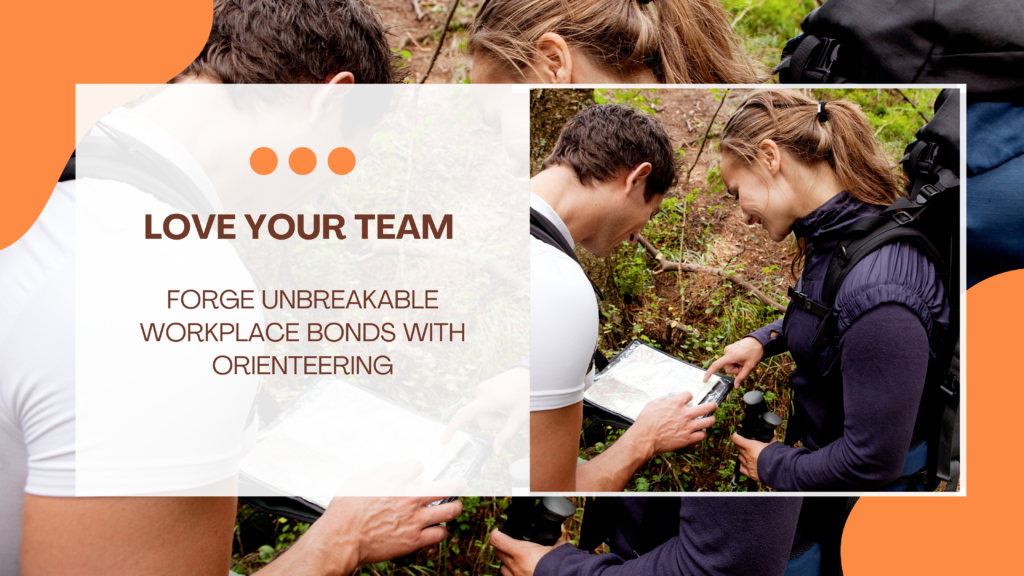
Outdoor adventures, like Orienteering, offer a unique way to develop these qualities. By stepping away from the confines of the office, teams can build trust, improve communication, and foster an environment of mutual support and creativity.
The Power of Nature in Team Building
There’s something inherently transformative about being outdoors. Natural settings not only provide a refreshing escape from routine but also set the stage for genuine human connection. When employees are placed in unfamiliar, dynamic environments, they’re forced to rely on one another, forging bonds that can translate directly into better collaboration back at work.
As team members share responsibilities and learn to appreciate each other’s strengths, they develop the kind of synergy that is hard to replicate in a boardroom meeting. This approach has been highlighted by several experts as a key element in building resilient teams.
Bridging the Communication Gap
In a natural setting, every word matters, a simple miscommunication in a fast-paced outdoor scenario could lead to taking the wrong path or missing an important checkpoint. Such situations compel team members to articulate their thoughts more clearly, listen actively, and verify that everyone is on the same page.
When these enhanced communication skills carry over into the workplace, projects run smoother, deadlines are met more consistently, and workplace relationships grow stronger.
Building Trust Through Shared Experiences
Trust is the cornerstone of any effective team. The unpredictability of outdoor challenges creates an environment where every individual’s contribution is critical.
Overcoming obstacles, making quick decisions, and celebrating small victories together can lead to lasting bonds. This shared experience creates a deeper understanding among team members that each person is reliable, fostering a workplace culture built on mutual respect and trust.
Enhancing Problem-Solving Skills
Unlike theoretical problem-solving sessions held in conference rooms, outdoor activities force teams to think on their feet.
As participants navigate through a course, they encounter unexpected obstacles that require immediate collaboration and innovative solutions. This environment encourages individuals to step out of their comfort zones, experiment with new ideas, and develop strategies in real time. When these experiences are brought back into the workplace, they empower employees to tackle business challenges with a fresh perspective and a collaborative mindset.
Creating Lasting Memories
Beyond the tangible skills and improved communication, outdoor adventures offer an intangible benefit: memorable experiences. Shared memories create a sense of belonging and camaraderie that can last well beyond the day of the event.
In conclusion, by engaging in activities like orienteering, teams learn to communicate better, trust more deeply, and solve problems creatively. The resulting stronger bonds not only lead to a more harmonious workplace but also set the stage for continued growth and innovation. So, think beyond traditional team-building activities and embrace experiences that lead to lasting, meaningful relationships.