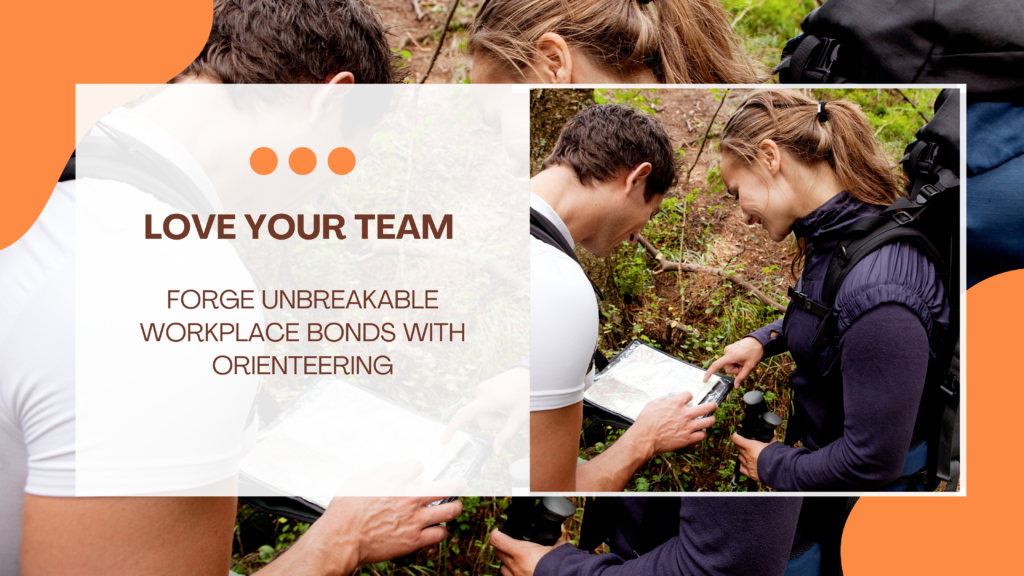
Orienteering: The Perfect Family Bonding Adventure

In today’s fast-paced world, finding quality time to spend with family can be a challenge. Between work, school, and extracurricular activities, it can be difficult to carve out moments for meaningful connection. That’s where orienteering comes in—a unique and exciting outdoor activity that not only gets everyone moving but also strengthens family bonds. 

Here’s why orienteering is the perfect family bonding adventure and how you can get started.

What is Orienteering?

Orienteering is an outdoor sport that combines navigation and physical activity. Participants use a map and compass to find their way through a course, often set in natural environments like forests, parks, or open fields. The goal is to locate a series of checkpoints, known as controls, in the correct order and in the shortest possible time. It’s a fun and engaging way to explore the outdoors, challenge your mind, and enjoy some healthy competition.

Why Orienteering is Great for Families

1. Teamwork and Communication: Orienteering requires collaboration and communication, making it an excellent activity for families. Working together to navigate the course and find checkpoints encourages teamwork and strengthens communication skills. Each family member can take on a role, whether it’s reading the map, spotting landmarks, or keeping track of time.

2. Physical Activity: In an age where screen time often dominates leisure activities, orienteering offers a refreshing opportunity for physical exercise. It’s a great way to get everyone moving, from young children to grandparents. The varying levels of difficulty mean you can choose a course that suits your family’s fitness level.

3. Problem-Solving Skills: Orienteering is as much a mental challenge as it is a physical one. It requires strategic thinking, quick decision-making, and problem-solving skills. As you navigate the course, you’ll encounter obstacles and puzzles that require creative solutions, providing a fun way to develop these important skills as a family.

4. Connection with Nature: Orienteering takes place in natural settings, offering a chance to disconnect from technology and reconnect with nature. It’s an opportunity to explore new environments, appreciate the beauty of the outdoors, and learn about local flora and fauna.

5. Affordable and Accessible: Orienteering is an affordable activity that requires minimal equipment—just a map, compass, and comfortable clothing. Many local clubs and organizations offer beginner-friendly events and courses, making it easy for families to get started.

Orienteering is more than just a sport—it’s an adventure that brings families together. By working as a team, exploring the great outdoors, and tackling challenges, you’ll create lasting memories and strengthen your family bond. So grab a map and compass, and embark on your next family adventure with orienteering. Who knows? You might just discover a new family tradition.

How to Prepare for Your First Orienteering Adventure

Embarking on your first orienteering adventure is an exciting opportunity to explore the great outdoors, challenge your navigation skills, and enjoy a unique blend of physical and mental exercise. Whether you’re participating in a corporate team-building event or a school program, being well-prepared can make your experience more enjoyable and rewarding. 

Here’s a comprehensive guide to help you get ready for your first orienteering adventure.

  1. Understand the Basics of Orienteering

Before you head out, familiarize yourself with the fundamentals of orienteering. At its core, orienteering involves navigating through a course using a map and compass to find specific checkpoints. Each checkpoint, or control, is marked on the map, and your goal is to reach them in the correct order as efficiently as possible.

2. Dress for Success

Wearing the right clothing is crucial for comfort and safety.

  • Layer Up: Dress in layers to adapt to changing weather conditions. Start with a moisture-wicking base layer, add an insulating layer, and finish with a waterproof outer layer if needed.
  • Footwear: Choose sturdy, comfortable shoes with good traction. Trail running shoes or lightweight hiking boots are ideal.
  • Accessories: Consider wearing a hat and sunglasses for sun protection, and bring gloves if it’s cold.

3. Pack the Essentials

Having the right gear can enhance your orienteering experience. Here’s a checklist of essentials to bring:

  • Map and Compass: These are your primary navigation tools. Make sure you know how to use them.
  • Water and Snacks: Stay hydrated and energized with water and high-energy snacks like nuts or energy bars.
  • Whistle: A safety tool for signaling if you need help.
  • First Aid Kit: A basic kit with band-aids, antiseptic wipes, and any personal medications.
  • Watch: To keep track of time and pace yourself.

4. Learn Basic Navigation Skills

Understanding how to read a map and use a compass is key to successful orienteering. Practice these skills before your adventure:

  • Map Reading: Learn to interpret map symbols, contours, and scales.
  • Compass Use: Practice taking bearings and aligning the map with the terrain.

5. Plan for the Weather

Check the weather forecast before your adventure and plan accordingly. Be prepared for sudden changes in weather, especially if you’re in a mountainous or forested area.

6. Stay Safe and Respect Nature

Safety is paramount during any outdoor activity. Here are some safety tips:

  • Stay with Your Group: If you’re part of a team, stick together and communicate regularly.
  • Be Aware of Your Surroundings: Watch for natural hazards like uneven terrain, water bodies, or wildlife.
  • Leave No Trace: Respect the environment by minimizing your impact. Carry out all trash and avoid disturbing wildlife.

7. Embrace the Experience

Finally, approach your orienteering adventure with an open mind and a spirit of adventure. Orienteering is not just about reaching the finish line; it’s about enjoying the journey, learning new skills, and connecting with nature and your fellow participants.

Benefits of Orienteering

Orienteering isn’t just about reading a map and finding your way through the wilderness. It’s a dynamic, mind-body experience that challenges your problem-solving skills, builds resilience, and enhances teamwork. Whether you’re a student, an adventure enthusiast, or a corporate team looking to break the monotony of the office, orienteering offers unexpected benefits beyond navigation. Let’s explore why orienteering is more than just an outdoor sport—it’s a life lesson in disguise.

1. Boosts Decision-Making Under Pressure

Orienteering forces you to think fast. Each checkpoint presents a new challenge, requiring you to assess your surroundings, make quick decisions, and trust your instincts. This skill translates into everyday life—whether it’s making a split-second choice in a business meeting or deciding how to tackle a complex problem on the spot.

2. Enhances Spatial Awareness & Problem-Solving

Navigating an orienteering course trains your brain to visualize space, distances, and directions in real-time. It’s like giving your mental GPS an upgrade. Studies suggest that activities like orienteering improve cognitive function and spatial intelligence—an essential skill for architects, engineers, and anyone who deals with complex systems.

3. Encourages Resilience & Adaptability

Orienteering teaches you that plans don’t always go as expected. A wrong turn, an unexpected obstacle, or a misread map forces you to adapt, recalibrate, and push forward. Learning to stay calm and adjust your strategy is a skill that’s invaluable in both personal and professional settings.

4. Breaks the Digital Dependency Cycle

In a world where we rely on Google Maps for even the shortest trips, orienteering encourages you to unplug and trust your own abilities. It’s a refreshing break from screens, sharpening your focus and reconnecting you with the real world.

5. Fosters Teamwork & Communication

For groups, orienteering is the ultimate team-building exercise. It requires collaboration, trust, and clear communication to succeed. Teams must delegate tasks, share insights, and strategize together—skills that directly apply to corporate environments and leadership roles.

6. Inspires a Growth Mindset

Orienteering isn’t about perfection—it’s about progress. Every mistake is an opportunity to learn, adjust, and improve. This mindset is crucial for students developing critical thinking skills, professionals striving for success, and anyone embracing personal growth.

7. Reignites a Sense of Adventure

Perhaps the most underrated benefit of orienteering is the sheer joy of exploration. It reawakens curiosity, pushes you beyond your comfort zone, and reminds you that adventure is all around us. In a routine-driven world, orienteering reminds us that getting lost can sometimes be the best way to find ourselves.

Final Thoughts

Orienteering is more than just a sport—it’s a metaphor for life. It teaches resilience, quick thinking, teamwork, and adaptability. Whether you’re looking to sharpen your problem-solving skills, strengthen your team, or simply step away from the digital world, orienteering offers a fresh perspective on how we navigate challenges. So, grab a map, trust your instincts, and embrace the journey—because the best lessons often come when we least expect them.

Want to experience the power of orienteering for yourself? Contact Oventures to plan your next adventure!

Team Building With Orienteering

In today’s fast-paced corporate environment, success often hinges on the strength of your team. While technical skills and professional expertise are critical, the underlying fabric of any successful organization is built on strong relationships and seamless teamwork. 

Outdoor adventures, like Orienteering, offer a unique way to develop these qualities. By stepping away from the confines of the office, teams can build trust, improve communication, and foster an environment of mutual support and creativity.

The Power of Nature in Team Building

There’s something inherently transformative about being outdoors. Natural settings not only provide a refreshing escape from routine but also set the stage for genuine human connection. When employees are placed in unfamiliar, dynamic environments, they’re forced to rely on one another, forging bonds that can translate directly into better collaboration back at work.

As team members share responsibilities and learn to appreciate each other’s strengths, they develop the kind of synergy that is hard to replicate in a boardroom meeting. This approach has been highlighted by several experts as a key element in building resilient teams.

Bridging the Communication Gap

In a natural setting, every word matters, a simple miscommunication in a fast-paced outdoor scenario could lead to taking the wrong path or missing an important checkpoint. Such situations compel team members to articulate their thoughts more clearly, listen actively, and verify that everyone is on the same page. 

When these enhanced communication skills carry over into the workplace, projects run smoother, deadlines are met more consistently, and workplace relationships grow stronger.

Building Trust Through Shared Experiences

Trust is the cornerstone of any effective team. The unpredictability of outdoor challenges creates an environment where every individual’s contribution is critical.

Overcoming obstacles, making quick decisions, and celebrating small victories together can lead to lasting bonds. This shared experience creates a deeper understanding among team members that each person is reliable, fostering a workplace culture built on mutual respect and trust.

Enhancing Problem-Solving Skills

Unlike theoretical problem-solving sessions held in conference rooms, outdoor activities force teams to think on their feet.

As participants navigate through a course, they encounter unexpected obstacles that require immediate collaboration and innovative solutions. This environment encourages individuals to step out of their comfort zones, experiment with new ideas, and develop strategies in real time. When these experiences are brought back into the workplace, they empower employees to tackle business challenges with a fresh perspective and a collaborative mindset.

Creating Lasting Memories

Beyond the tangible skills and improved communication, outdoor adventures offer an intangible benefit: memorable experiences. Shared memories create a sense of belonging and camaraderie that can last well beyond the day of the event.

In conclusion, by engaging in activities like orienteering, teams learn to communicate better, trust more deeply, and solve problems creatively. The resulting stronger bonds not only lead to a more harmonious workplace but also set the stage for continued growth and innovation. So, think beyond traditional team-building activities and embrace experiences that lead to lasting, meaningful relationships.

Mapping the Future: How Orienteering Transforms Learning in Schools

Orienteering is a unique activity that blends physical exercise with critical thinking, map-reading, and problem-solving. Increasingly adopted in schools, it provides a dynamic, hands-on approach to learning that enhances a range of subjects. Here’s how orienteering supports and enriches the curriculum:

1. Geography

  • Practical Map Skills: Students gain hands-on experience reading maps, using compasses, and interpreting grid references.
  • Environmental Awareness: Orienteering brings students outdoors, teaching them about local ecosystems and environmental issues.
  • Spatial Thinking: It encourages understanding of distances, routes, and spatial relationships.

2. Mathematics

  • Measurement & Estimation: Students calculate distances and use map scales, reinforcing math concepts.
  • Problem-Solving: Navigating the most efficient routes builds decision-making and problem-solving skills.
  • Geometry in Action: Using compasses and planning routes applies geometric concepts like angles and direction.

3. Physical Education (PE)

  • Fitness & Endurance: Orienteering combines outdoor exercise with mental challenges, boosting fitness levels.
  • Teamwork: Students collaborate in pairs or groups, improving communication and cooperation.
  • Resilience & Decision-Making: It’s both a physical and mental challenge, teaching perseverance and quick thinking.

4. Science

  • Environmental Studies: Orienteering fosters an understanding of ecosystems and human interaction with nature.
  • Observation Skills: Students make observations about terrains and landmarks, applying scientific thinking.

5. English and Literacy

  • Following Instructions: Students practice reading and interpreting map legends, route descriptions, and clues.
  • Creative Writing: Orienteering can inspire storytelling, with students writing narratives about their journeys.

6. History and Social Studies

  • Exploration History: Lessons on navigation tools and historical explorers add context to orienteering.
  • Cultural Insights: It provides opportunities to explore different cultures’ approaches to geography and trade.

7. Cross-Curricular Integration

  • STEM Connections: Orienteering combines technology (e.g., GPS), math (distances), and engineering (route planning).
  • Real-World Problem Solving: Students tackle challenges that mirror real-world scenarios, enhancing critical thinking.

8. Social and Emotional Learning

  • Confidence & Independence: Mastering navigation builds self-reliance and problem-solving skills.
  • Resilience: Students learn to stay calm, adapt, and overcome mistakes in a supportive setting.

How Orienteering Works in Schools

  1. Classroom Prep: Teachers introduce map-reading and navigation in the classroom.
  2. Outdoor Practice: Students apply these skills in parks, school grounds, or local nature reserves.
  3. Reflection & Assessment: After completing a course, students reflect on strategies and outcomes, linking lessons to other subjects.

By incorporating orienteering into subjects like geography, math, PE, and science, schools foster active, interdisciplinary learning. It’s a powerful way to engage students, build teamwork, and nurture critical thinking—all while promoting physical fitness and environmental awareness. Orienteering is more than a skill; it’s a pathway to a well-rounded education.

School Orienteering in the Drakensberg

On November 26th, O-Ventures hosted an exciting orienteering event for 103 Grade 9 students from St Mary’s Waverley, representing African Insights Academy. The event was held on the scenic grounds of the Drakensberg Boys Choir School, providing a challenging and beautiful backdrop for the competition.

The students were divided into ten teams, each led by a trained guide. Their task was to locate 19 control points scattered across the area, all while relying solely on their maps for navigation. The teams demonstrated impressive skills, with their times to complete the course ranging from 49 to 70 minutes.

The event proved to be a great success, showcasing the participants’ teamwork, problem-solving, and navigation abilities. The students not only enjoyed the thrill of the challenge but also gained valuable experience in orienteering, making the day a memorable one for all involved.

Navigating Success: How Orienteering Boosts Teamwork and Workplace Skills

Orienteering is an innovative and engaging team-building activity that goes beyond traditional exercises by combining physical adventure with strategic thinking. This dynamic outdoor experience fosters collaboration, communication, and problem-solving, making it an excellent choice for companies aiming to strengthen their teams. 

Here’s how orienteering can transform corporate team-building efforts:

1. Fostering Teamwork and Collaboration

  • Role Division: Orienteering requires teams to divide roles, such as navigators and strategists, encouraging individuals to contribute based on their strengths.
  • Enhanced Communication: Teams must communicate clearly and consistently to navigate the course, emphasizing the importance of effective workplace communication.
  • Problem-Solving Together: Solving challenges, such as route selection and overcoming obstacles, builds a collaborative mindset and sharpens critical thinking.

2. Developing Leadership and Decision-Making Skills

  • Leadership Opportunities: By rotating leadership roles, team members experience different styles and develop leadership and followership skills.
  • Quick Decision-Making: Orienteering challenges teach participants to make confident decisions under pressure, a skill valuable in fast-paced work environments.

3. Building Trust and Confidence

  • Mutual Trust: Success in orienteering relies on trusting teammates’ navigation and decision-making abilities, reinforcing trust within the team.
  • Confidence Boost: Overcoming challenges fosters a sense of achievement, boosting individual and team confidence.

4. Boosting Morale and Motivation

  • Engaging Fun: The mix of outdoor exploration and teamwork refreshes participants and breaks the monotony of office life.
  • Stress Relief: Being in nature and engaging in physical activity helps reduce stress and boosts mental clarity.

5. Enhancing Problem-Solving and Critical Thinking

  • Strategic Planning: Teams must think strategically about resource use, route selection, and pacing, mirroring workplace challenges.
  • Adaptability: Facing unexpected obstacles, such as a blocked path, teaches flexibility and resilience.

6. Improving Communication Skills

  • Non-Verbal Cues: Navigating difficult terrain often requires non-verbal communication, highlighting the importance of body language and gestures.
  • Active Listening: Effective orienteering relies on understanding and incorporating teammates’ input, a crucial workplace skill.

7. Learning from Mistakes

  • Trial and Error: Orienteering allows teams to experiment, fail, and improve in a low-stakes setting, fostering resilience and a growth mindset.

8. Promoting Health and Wellness

  • Physical Activity: Walking, running, and hiking improve physical fitness, energy, and focus.
  • Nature’s Benefits: Time outdoors reduces stress and enhances creativity and overall well-being.

9. Encouraging Cross-Department Interaction

  • Networking Opportunities: Orienteering brings employees from various departments together, fostering new relationships and breaking workplace silos.
  • Collaboration Across Roles: Teams leverage diverse skills, promoting mutual respect and a culture of appreciation.

10. Tailoring Challenges to Company Goals

  • Customizable Courses: Orienteering events can incorporate company values, missions, or work-related tasks to align with organizational goals.

How to Organize an Orienteering Team-Building Event

  1. Choose the Right Location: Select a safe area with varied terrain, such as a park or forest.
  2. Form Teams Strategically: Create diverse teams of 4-6 members to encourage collaboration across roles.
  3. Set Up Challenges: Design a course with checkpoints that include problem-solving tasks or puzzles.
  4. Equip Participants: Provide maps, compasses, and clear navigation instructions.
  5. Reflect and Debrief: Hold a post-event discussion to analyze what worked well and how lessons can be applied at work.

The Takeaway

Orienteering isn’t just an outdoor activity—it’s a powerful team-building tool that promotes collaboration, leadership, problem-solving, and wellness. By integrating orienteering into your corporate culture, you can foster stronger relationships, improve workplace skills, and create a more motivated and cohesive team.

Oventures specialises in setting up orienteering courses for your team building events, contact us today to book your 2025 team building experience.

Unplug & Explore

The Benefits of Orienteering for Kids and Families

In a world increasingly dominated by screens and indoor activities, orienteering offers a breath of fresh air—literally and figuratively. This engaging outdoor activity combines navigation, problem-solving, and physical exercise in a way that’s fun for kids and families alike. Whether you’re a seasoned adventurer or a beginner looking for a weekend hobby, orienteering has something for everyone.

What Is Orienteering?

At its core, orienteering is a sport that challenges participants to navigate through a terrain using a map and compass to find specific checkpoints. Unlike hiking or a simple nature walk, it involves an element of competition and strategy, making it a perfect blend of mental and physical activity.

But orienteering is more than a sport—it’s an experience. It encourages exploration, teamwork, and connection with nature, making it a particularly rewarding activity for families.

1. Building Problem-Solving Skills in Kids

Orienteering helps children develop critical thinking and decision-making skills. Each route presents a unique challenge: which path is the fastest? How do you avoid obstacles while staying on course?

As kids navigate from one checkpoint to another, they practice interpreting maps, understanding symbols, and making quick, logical decisions. These skills are not only crucial for orienteering but also for academic success and everyday problem-solving.

2. Encouraging Physical Activity

For families looking to stay active, orienteering offers an exciting alternative to traditional sports. It involves walking, running, or hiking through diverse terrains, from forests to open fields, ensuring a full-body workout.

The physical activity involved is adaptable—you can take it slow with young children or turn it into a race for older kids and adults. Whatever your pace, orienteering keeps everyone moving in a fun and purposeful way.

3. Strengthening Family Bonds

There’s something magical about navigating nature as a team. Orienteering fosters communication, cooperation, and trust as families work together to solve challenges. It’s an opportunity to unplug from digital distractions and reconnect with one another in a meaningful way.

Completing a course together, especially when it involves overcoming tricky sections, creates shared memories and a sense of accomplishment that brings families closer.

4. Boosting Confidence and Independence

For kids, successfully finding a checkpoint is a confidence booster. It gives them a sense of independence as they realize their ability to navigate and problem-solve on their own.

Parents can gradually encourage older children to lead the way or plan the route, instilling a sense of responsibility and self-reliance.

5. Connecting with Nature

In an era where outdoor play is often overlooked, orienteering helps kids and families rediscover the joys of nature. Exploring woodlands, hills, and open landscapes fosters a deeper appreciation for the environment and its beauty.

This connection not only benefits mental well-being but also encourages a sense of stewardship for the natural world—a value that kids can carry into adulthood.

Ready to Get Started?

Whether you’re seeking a fun family outing or a new way to stay active, orienteering promises adventure, learning, and quality time together. It’s more than just a sport; it’s a journey into discovery—of the world around you and the strengths within your family.

Your next adventure is just a map away!

Discover Orienteering

A unique, outdoor adventure sport – navigate through nature using just a map and compass – orienteering is where adventure meets strategy!

The Basics

Participants use a detailed map and a compass to find their way through a set course in unfamiliar terrain, often a forest, park, or open countryside. The goal is to visit a series of checkpoints, also known as “controls,” in the correct order and in the fastest time possible.

It’s like a treasure hunt but with more strategy and challenge involved! Whether you’re walking, jogging, or running, it’s up to you to decide how quickly you want to complete the course.

The Key Tools

The most important tools in orienteering are the map and the compass.

  • Map: The map used in orienteering is not your everyday road map. It’s a specially designed, highly detailed map that shows everything from trees, trails, and water bodies to elevation changes and landmarks. It’s packed with information to help you navigate accurately.
  • Compass: While you can often see where you’re going on the map, the compass helps you maintain direction. It’s your guide to pointing you the right way, especially when you’re deep in the woods or on open terrain.

How It Works

An orienteering course consists of a series of checkpoints marked on your map. These checkpoints are usually identified by orange and white flags or markers. Orienteering is about choosing your best route to each checkpoint.

Here’s how a typical course works:

  • You receive a map with the checkpoints marked.
  • Each checkpoint has a unique code or symbol. Your job is to reach each checkpoint, usually in a specific order.
  • To prove that you’ve been to each checkpoint, you either use a punch to mark your control card or use an electronic chip that records your visit.
  • Once you’ve completed all checkpoints, you race to the finish line.

Who Can Participate?

The best thing about orienteering is that it’s for everyone, at any skill level. 

  • Families can enjoy a day out exploring nature.
  • Kids can learn problem-solving skills in a fun and active way.
  • Fitness enthusiasts can take on the challenge of completing courses as quickly as possible.
  • Beginners can start with easy courses in familiar locations like local parks, while seasoned orienteers can challenge themselves with complex terrains and longer distances.

No special training is needed to start. All you need is a willingness to explore and a sense of adventure!

Benefits

Orienteering is part physical exercise, part mental strategy. There are a range of benefits that make it an excellent activity to challenge your mind and body. 

  • Get Outside: It’s a fantastic way to spend time outdoors and explore new areas.
  • Great Exercise: You can burn a lot of calories as you walk, jog, or run your way through the course.
  • Boosts Mental Skills: It’s not just about physical fitness. Orienteering helps improve your map-reading, problem-solving, and decision-making skills.
  • Fun and Social: Many orienteering events are held in a friendly and inclusive environment. It’s a great way to meet new people and be part of a community.

Adventure Awaits

Orienteering is more than just a sport; it’s an adventure that challenges both your body and mind. It’s a fantastic way to disconnect from screens, explore the outdoors, and build new skills. Whether you’re looking for a fun family activity, a new fitness challenge, or simply a chance to enjoy nature, orienteering is a rewarding experience for everyone.

So grab a map, pack a sense of adventure, and get ready to explore the great outdoors!